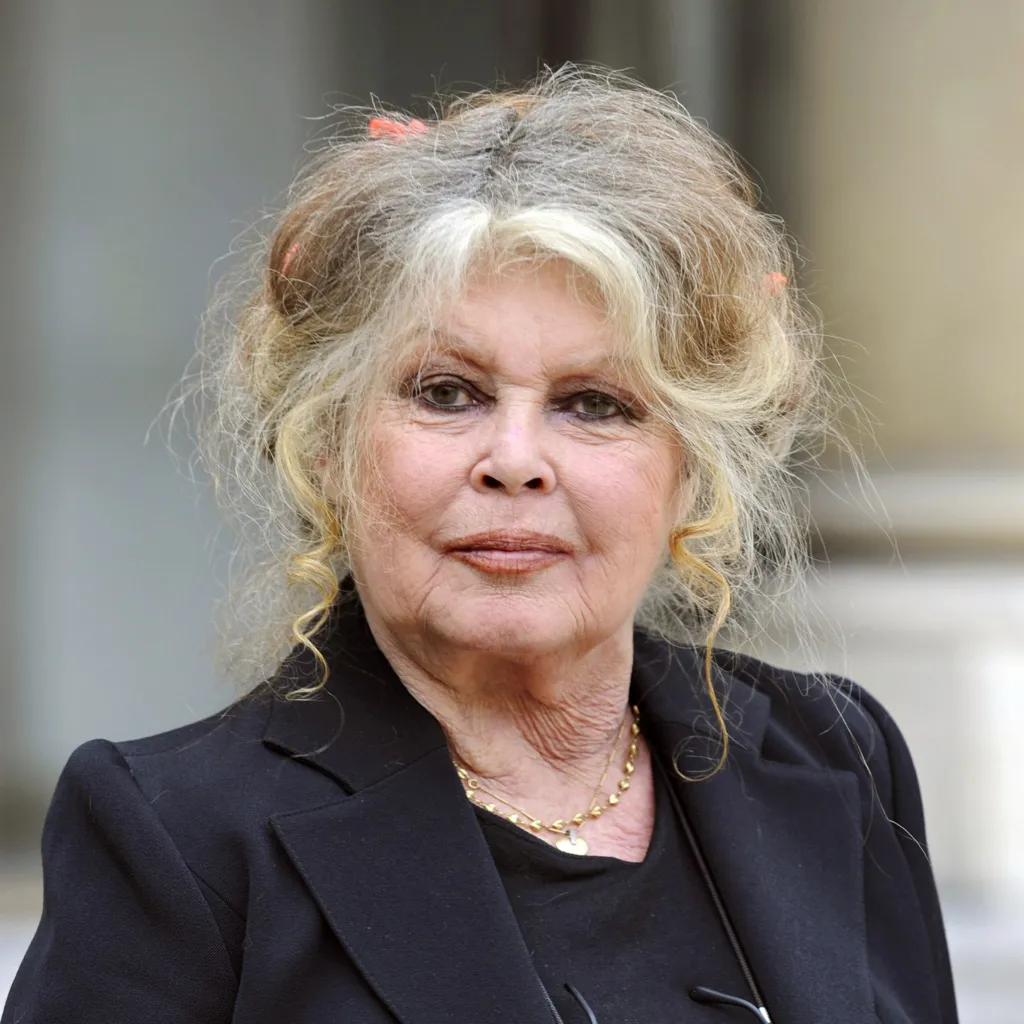
Brigitte Bardot, who passed away at the age of 91, shattered the conservative image of women in 1950s cinema, becoming the embodiment of a new era of sexual freedom.
On screen, she was a French mix of playful charm and sultry allure. One publication dubbed her “the princess of pout and the countess of come hither,” an image she eventually despised.
Promoted relentlessly as a hedonistic sex symbol, Bardot struggled to be taken seriously as an actress. Frustrated by this, she eventually walked away from her career to dedicate herself to animal rights activism.
However, her legacy was later tainted by controversial remarks, including homophobic comments and fines for inciting racial hatred. She also faced a lawsuit from her son for emotional distress after she publicly expressed regret over not having “given birth to a little dog.”
Despite these later controversies, Bardot remains an iconic figure who, at her peak, revolutionized fashion, embodied female desire, and placed French cinema on the world stage.

Brigitte Anne-Marie Bardot was born in Paris on September 28, 1934.
She and her sister, Marie-Jeanne, were raised in a lavish apartment located in one of the most prestigious neighborhoods of the city.
Her parents, devout Catholics from a wealthy background, held high expectations for their children and maintained strict rules.
The sisters’ friendships were closely monitored, and when they accidentally broke their parents’ favorite vase, they were punished with a harsh whipping.

During World War II, with German troops occupying Paris, Bardot spent much of her time at home, dancing to records.
Her mother, supportive of her passion, enrolled her in ballet classes when she was just seven years old.
At the Paris Conservatoire, her teacher praised her as an exceptional student, and she soon began to win awards for her talent.
Life as a ‘jeune fille’
But Bardot found life claustrophobic. By the age of 15, she later recalled, “I was seeking something, perhaps a fulfilment of myself.”
A family friend persuaded her to pose for the cover of Elle, the leading women’s magazine in France, and the photographs caused a sensation.

At the time, fashionable women wore short, carefully styled hair, matched their accessories with precision, and flaunted tailored jackets and silky evening gowns.
Brigitte, however, stood out with her long hair flowing around her shoulders. With the lithe, athletic physique of a ballerina, she was a striking contrast to the other models of the time.
Captured in a series of chic, youthful outfits, she became the epitome of a fresh, modern “jeune fille” (young girl) style.
By the age of 16, she had become Paris’ most famous cover girl.
Her striking photos caught the eye of film director Marc Allegret, who sent his assistant, Roger Vadim, to find her.
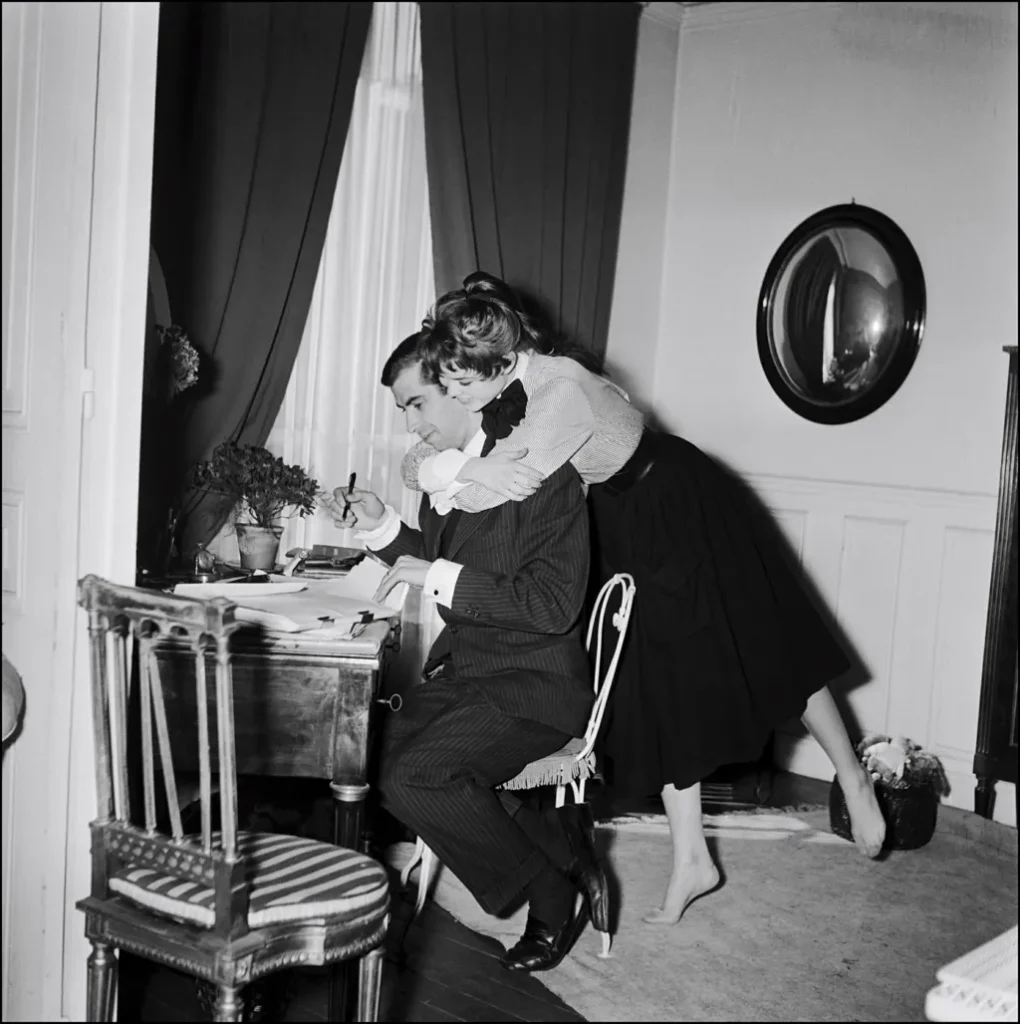
Although her screen tests didn’t go as planned, Vadim, who was six years older than her, took Brigitte under his wing, first as his protégé and later as his fiancée.
They embarked on a passionate affair, but when Bardot’s parents discovered it, they threatened to send her away to England to separate them.
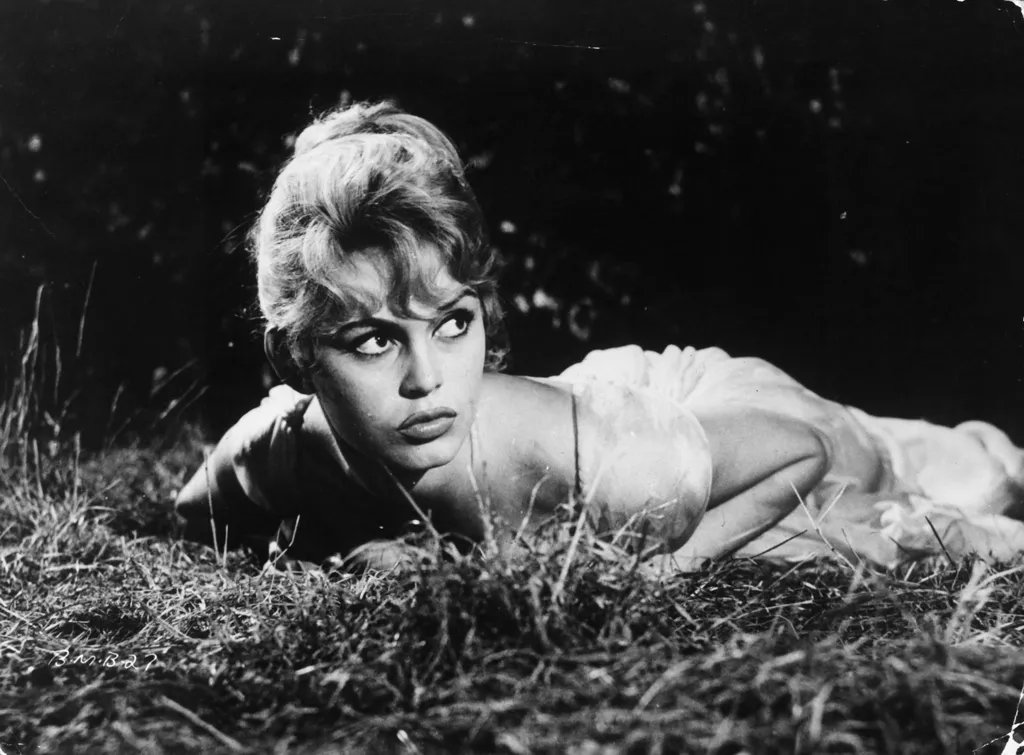
Roger Vadim, her ‘wild wolf’
In retaliation, she attempted to take her own life, but was discovered and stopped just in time.
Brigitte was infatuated with the aspiring director.
He seemed to her as a “wild wolf”.
“He looked at me, scared me, attracted me, and I didn’t know where I was anymore,” she later explained.

Under intense pressure, her parents eventually gave in, but they insisted that Brigitte and Vadim wait to marry until she turned 18.
As soon as she reached that milestone, the couple quickly tied the knot.
Becoming an Icon
Vadim set about shaping Bardot into the star he knew she could become.
He sold photos of their wedding to Paris-Match and took on the role of guiding her in how to present herself in public.
Vadim also helped his new wife secure small roles in several minor films, often casting her as the pouty yet innocent love interest.
However, up until 1956, she was mainly known for wearing bikinis – a garment that was considered scandalous at the time, banned in countries like Spain, Italy, and much of America for its risqué nature. She also became famous for popularizing the beehive hairstyle.
Then came the peroxide blonde look, and the role that truly made her a star.
That year, Vadim’s debut film, And God Created Woman, premiered in Paris. Although it didn’t perform well in France, it caused a massive stir in the United States.
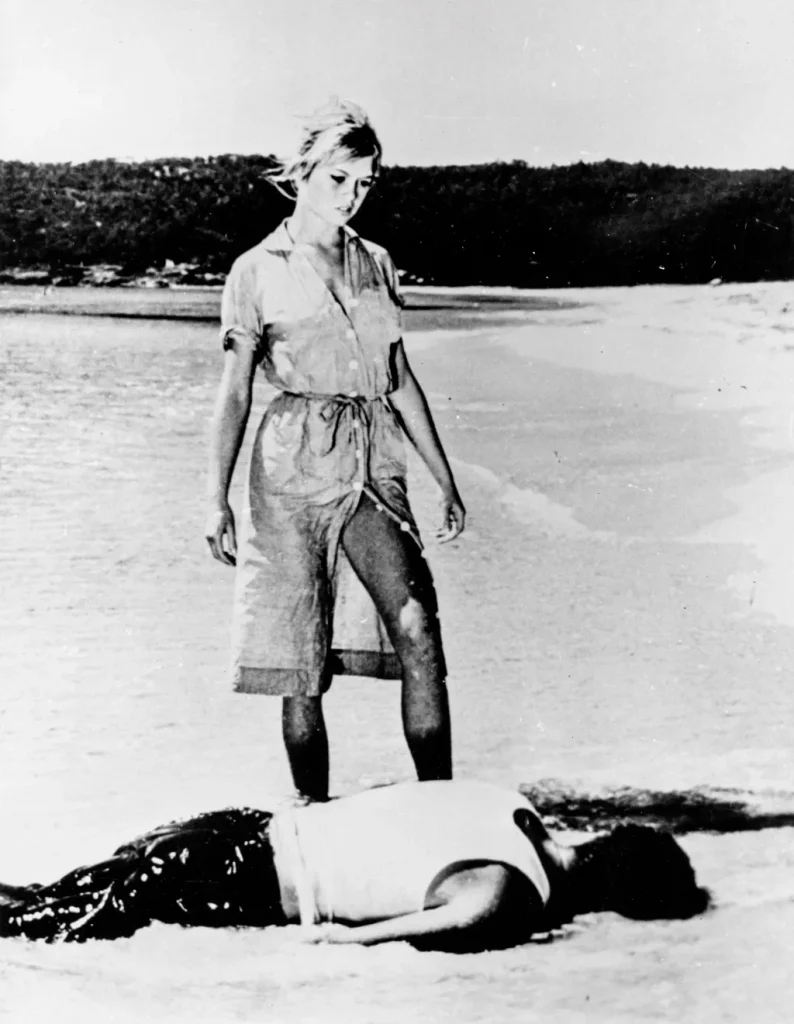
In a country accustomed to the wholesome image of Doris Day, Bardot was nothing short of a revelation.
Her character in And God Created Woman openly embraces her sexual desires, unashamedly pursuing them just as men did. She dances barefoot in a trance, her skin glowing with sweat, and her hair wild and untamed.
Her unrestrained freedom shakes the social fabric, and the reaction outside the cinema was just as powerful.
The philosopher Simone de Beauvoir, a key figure in existentialism, hailed Bardot as an icon of “absolute freedom,” elevating Brigitte’s image to something almost philosophical.
However, the American moral majority was not pleased. The film was banned in several states, and newspapers condemned it for its perceived depravity.
To the public, Bardot became inseparable from the provocative character she portrayed. Paris-Match labeled her “immoral from head to toe.”
When Bardot later ran off with her co-star, Jean-Louis Trintignant, her reputation as a free-spirited libertine became even more cemented, and her image as a seductive, rebellious figure was unavoidable.

She divorced Vadim, and his response was uniquely French.
“I’d rather have a wife like that,” he said, “knowing she is unfaithful, than possess a woman who only loves me and no one else.”
Despite their separation, he continued to collaborate with Bardot professionally, and later went on to live with Catherine Deneuve and marry Jane Fonda.
A Reluctant Mother
In 1959, after a series of love affairs, Brigitte married actor Jacques Charrier, with whom she starred in Babette Goes to War.
The couple had a son, Nicolas, but Bardot struggled with her pregnancy. She openly resented it, even repeatedly hitting her stomach and pleading with a doctor for morphine to induce a miscarriage.
“I looked at my flat, slender belly in the mirror like a dear friend upon whom I was about to close a coffin lid,” she later recalled.
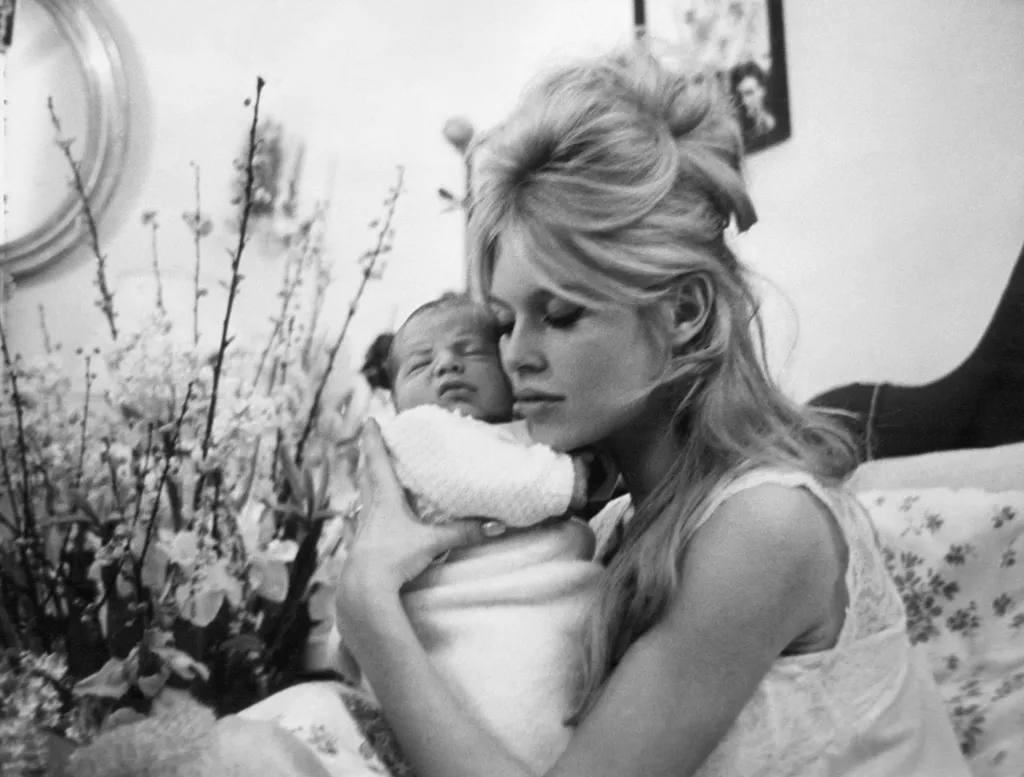
After her inevitable divorce, Nicolas went for decades without seeing his mother.
He later sued Bardot for emotional distress after she published an autobiography in which she claimed she would have preferred to “give birth to a little dog.”
By this time, Brigitte had become the highest-paid actress in France, with some even suggesting that her value to the country’s economy rivaled that of its car industry.
Despite her success, Bardot yearned to be recognized as a serious actress. “I haven’t had many opportunities to act,” she lamented, “mostly, I’ve just been asked to undress.”
Her desire for more meaningful roles started to catch the attention of Europe’s most respected filmmakers. She earned critical praise for her performance in Jean-Luc Godard’s powerful New Wave film, Le Mépris (Contempt).
However, the quality of her overall body of work was inconsistent, particularly when she ventured outside of France to Hollywood.
Her third marriage, to a wealthy German playboy, was followed by a string of lovers. Interestingly, she turned down the advances of Sean Connery, which was a rare move for her.
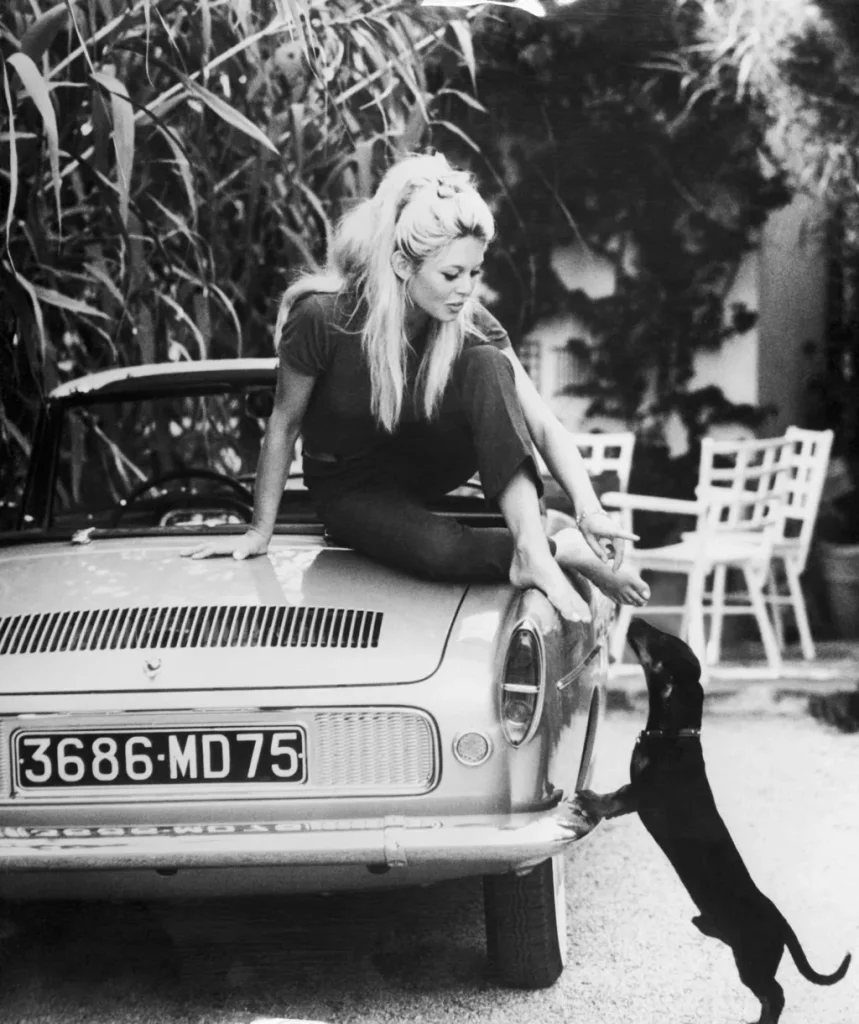
Bardot released dozens of records, collaborating with artists like Serge Gainsbourg and Sacha Distel.
One of her most famous collaborations was with Gainsbourg on the provocative song Je T’aime… Moi Non Plus. Despite her protests, pleading with him not to release it, the song was eventually made public.
A year later, Gainsbourg re-recorded the track with British actress Jane Birkin. It became an enormous hit across Europe, while Bardot’s version remained unreleased for two decades.
Animal Rights Activist
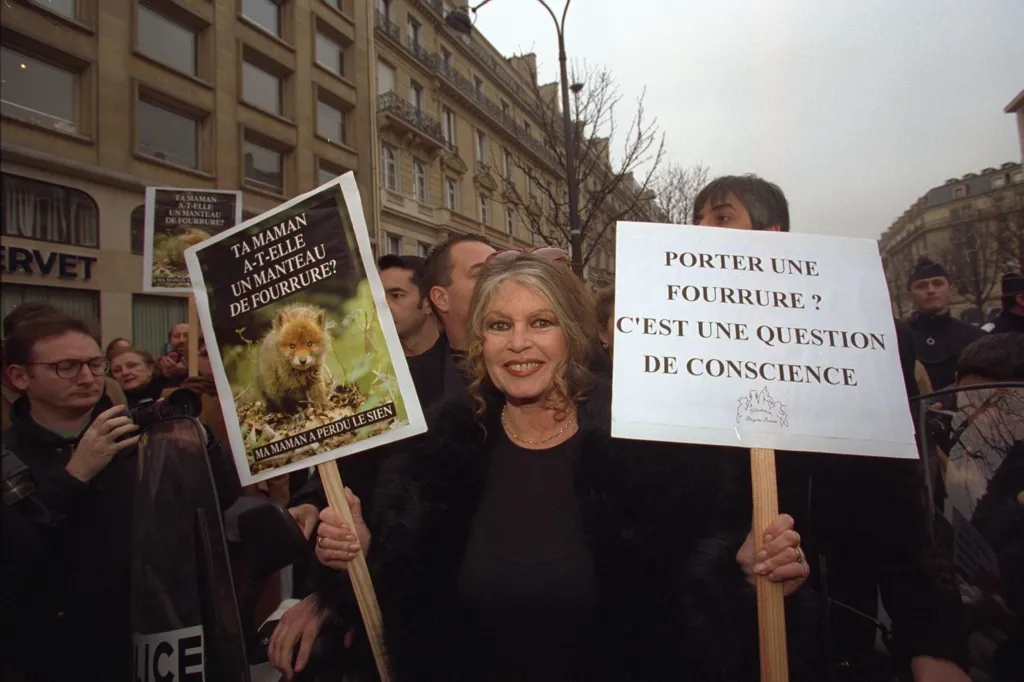
After nearly 50 films, Bardot made a bold decision in 1973 to retire from acting and dedicate her life to animal welfare.
“I gave my beauty and my youth to men,” she said. “Now, I’ll give my wisdom and experience to animals.”

She raised 3 million francs (around £300,000 at the time) to create the Brigitte Bardot Foundation, auctioning off her jewelry and film memorabilia to fund the cause.
Known as B.B. in France, Bardot became an outspoken advocate for animal rights. She campaigned fiercely against the annual seal hunt in Canada and upset some of her fellow countrymen by condemning the consumption of horse meat.
A committed vegetarian, she also criticized the Chinese government for its treatment of bears and spent hundreds of thousands of euros on a program to sterilize stray dogs in Romania.
A Troubled End to a Troubled Life
In her later years, Bardot found herself repeatedly prosecuted for racial hatred.
She criticized the methods used by Islamic and Jewish communities to slaughter animals for food. However, the way she expressed her objections was not only controversial but also illegal.
In 1999, she wrote that “my homeland is invaded by an overpopulation of foreigners, especially Muslims,” which resulted in a substantial fine.
She continued to make inflammatory comments, criticizing interracial marriages and making derogatory remarks about gay men, referring to them as people who “jiggle their bottoms, put their little fingers in the air, and with their little castrato voices moan about what those ghastly heteros put them through.”
Bardot became a frequent presence in court, so much so that by 2008, the prosecutor openly admitted he was “weary” of charging her.