For many people, a birth certificate is just another document — tucked away in a drawer and rarely thought about. But for those without one, life can feel uncertain, lived on the margins and largely unseen.
Millions of people around the world are believed to be stateless, and 25-year-old Arnold Ncube from South Africa is one of them.
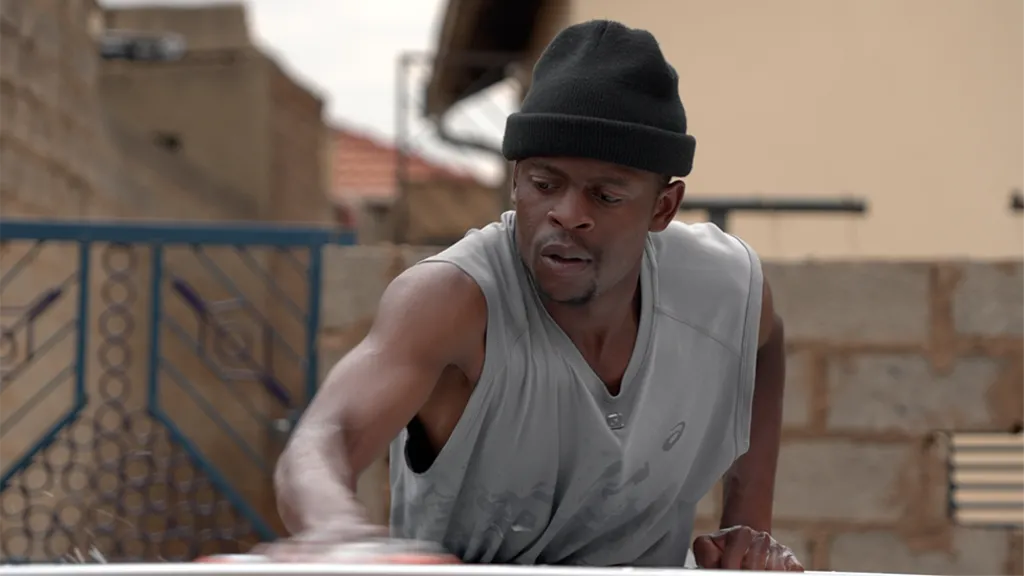
Without any state-issued identification, Arnold survives by washing cars on the backstreets of Thembisa township, near Johannesburg — one of the few ways he can earn money. He was born in Johannesburg, and his father is South African, which should make him eligible for citizenship. But when he tried to enrol in secondary school, he discovered he had no birth certificate.
Abandoned by both parents — his father before he was born and his mother when he was 14 — Arnold has no way to prove who he is or where he belongs.
“It’s painful,” he says. “You’re invisible. It’s like you don’t exist, like you’re living in the shadows. You can’t open a bank account, you can’t apply for a proper job, you can’t build a life.”
Staying hopeful hasn’t been easy. “When I look at my peers, they’ve finished school,” he says. “I couldn’t continue my studies. It weighs on you. Depression was once my companion.”
Arnold is among an estimated 10,000 stateless people in South Africa — individuals born in the country but unable to prove their nationality or access basic public services.
There are no official figures because stateless people often go unrecorded, slipping through administrative gaps. Estimates instead come from organisations such as the UN refugee agency, UNHCR, and civil society groups.
Without citizenship, people are locked out of essentials like education, healthcare, and formal employment. Statelessness can result from many factors, including poor record-keeping and bureaucratic barriers, making it difficult to measure the true scale of the problem worldwide.
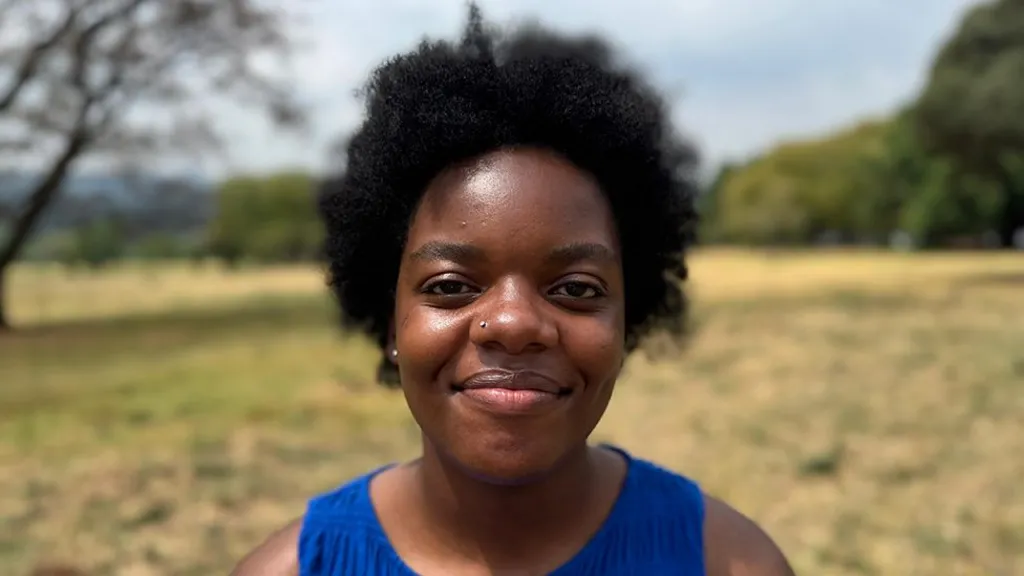
Human rights lawyer and activist Christy Chitengu knows the reality of statelessness firsthand.
She only became a South African citizen three years ago, after Lawyers for Human Rights took on her case and represented her free of charge.
“I discovered I was stateless when I was 17,” she says, speaking to the BBC near her home in northern Johannesburg. “My high school principal called me into her office and told me she had no official documents for me — and didn’t understand how I had even been enrolled.”
Christy was born in Johannesburg to parents from Zimbabwe. At birth, she was issued a handwritten South African birth certificate — but that was not enough.
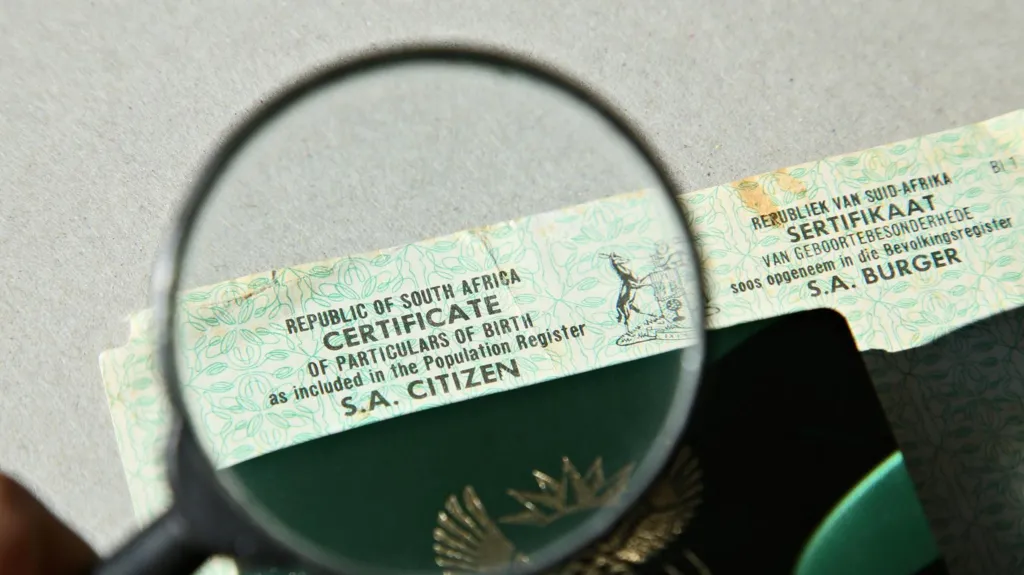
Under South African law, only printed birth certificates are recognised by the authorities, leaving her without legal status for years.
Christy says that once she realised she was stateless, she explored the possibility of taking on her parents’ nationality — but by then, it was already too late.
“I couldn’t claim Zimbabwean citizenship because I was already 16, and they don’t allow late birth registration,” she explains. “I also would have had to leave South Africa in person to apply for a Zimbabwean passport. But without any documents, I wouldn’t have been allowed to leave — or come back.”
South Africa has long struggled with large numbers of undocumented migrants, and both authorities and local vigilante groups have spent years trying to curb irregular migration.
When asked whether granting citizenship to stateless children could be seen as rewarding undocumented migrants who give birth in South Africa, Christy firmly disagrees.
“Citizenship isn’t a reward,” she says. “It’s an entitlement — it allows someone to live with dignity and to be recognised as a human being. When you look at it that way, you realise there’s nothing to lose by recognising a child who would otherwise be denied basic rights like education or healthcare.”
The BBC contacted South Africa’s Department of Home Affairs — the body responsible for immigration — several times to ask how it is addressing statelessness, but received no response.
Statelessness is not only a South African issue; it is a major global challenge. An estimated 4.5 million people worldwide are stateless, though some experts believe the true number could be closer to 15 million.
Specialists say solving the problem will require changes in policy, such as allowing refugees to register children in the countries where they are born and giving mothers the legal right to pass on their nationality.
“For us, statelessness isn’t just a legal problem — it’s about the right to development,” says Jesus Perez Sanchez of the UN refugee agency, UNHCR. “People affected by statelessness are unable to fully contribute to the countries where they live. Addressing this issue is about inclusion, so those pushed to the margins can participate fully in society and the economy.”
Back in Thembisa, Arnold kicks a football around with local children. After years of uncertainty, he now has a lawyer helping him fight for the documents that would officially recognise him as belonging here.
He dreams of returning to school to study computer science — and believes that having the right papers could finally open the door to a brighter future.
